Industrial Design, CAD and Drafting
Bring us an idea, a sample or a problem. Leave with a model, a drawing and a part that works.
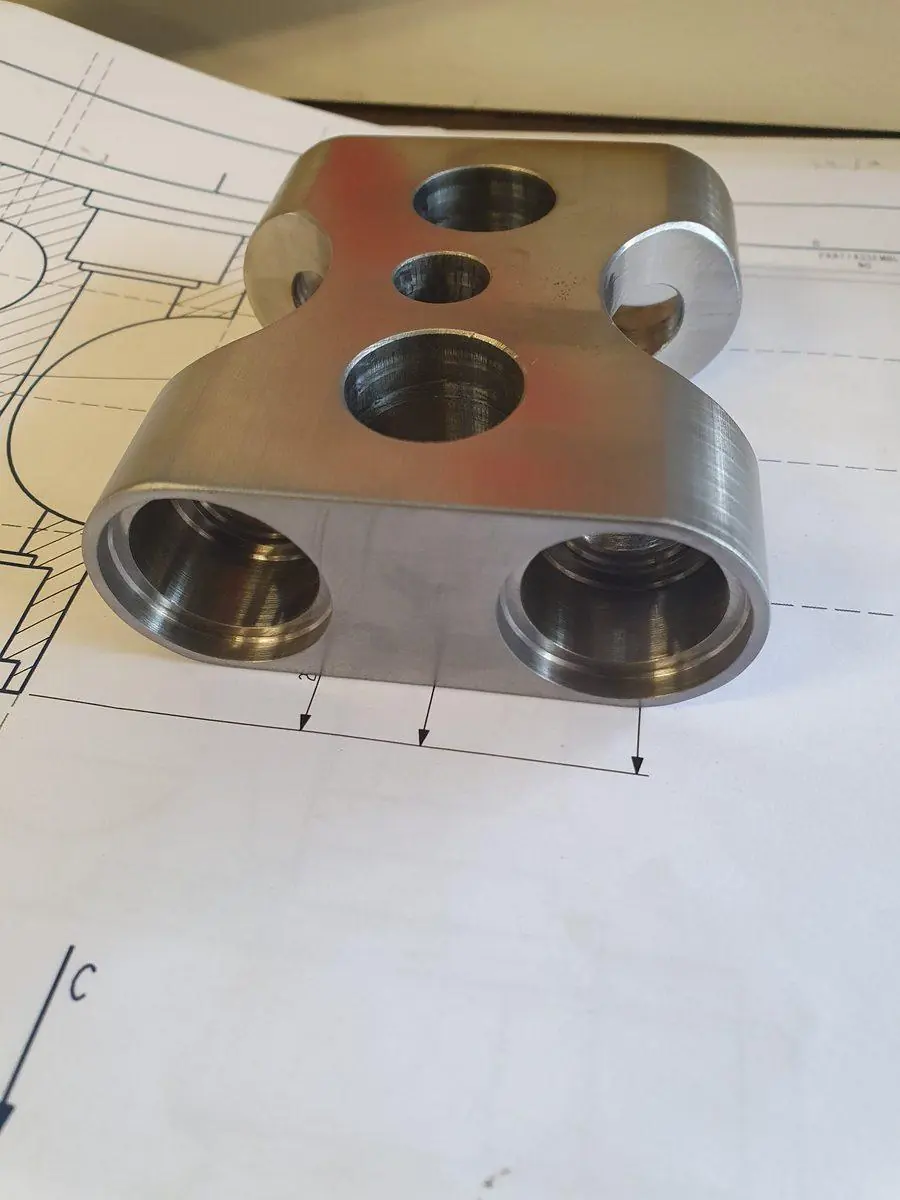
This is the part of Port Stephens Machining most people do not expect from a machine shop. Todd works in Fusion 360 every day — modelling, CAM, sheet metal, assemblies and drafting — and design is a real service here, not a favour thrown in with the machining.
You can hire us for design work on its own. Plenty do, and take the files elsewhere. But most of the value shows up when the person drawing the part is the person who has to machine it, because the design comes out cheaper to make.
What we do
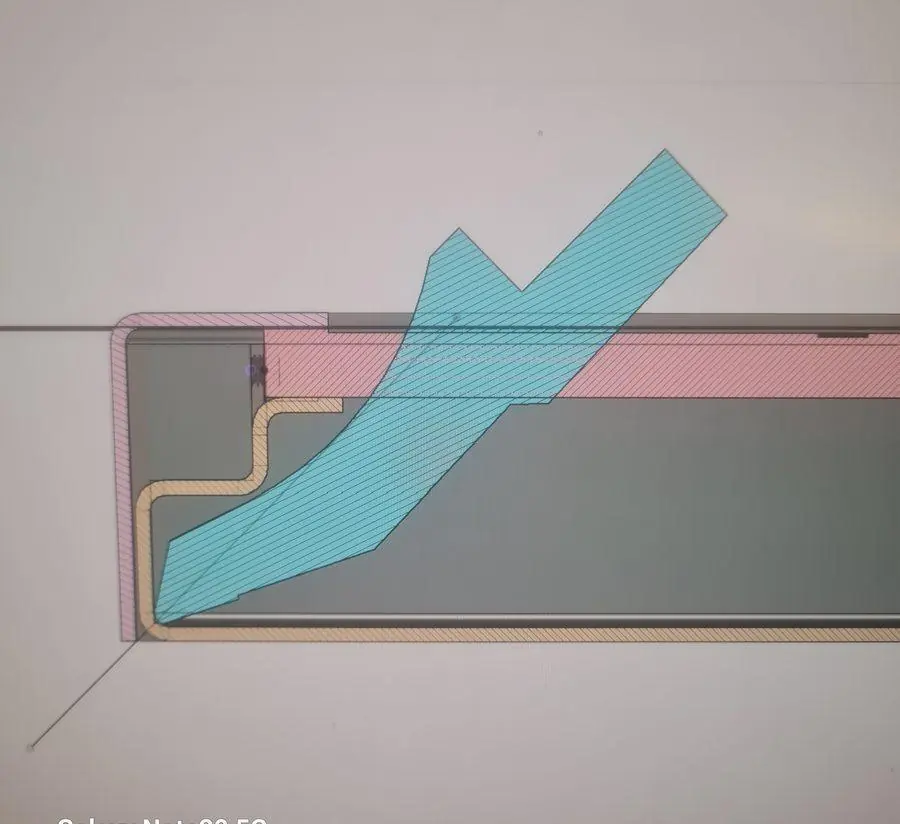
CAD modelling. Full 3D parametric models in Fusion 360. Single parts or assemblies with moving components, mating fits, fasteners and clearances all worked out. Change a dimension and the model updates.
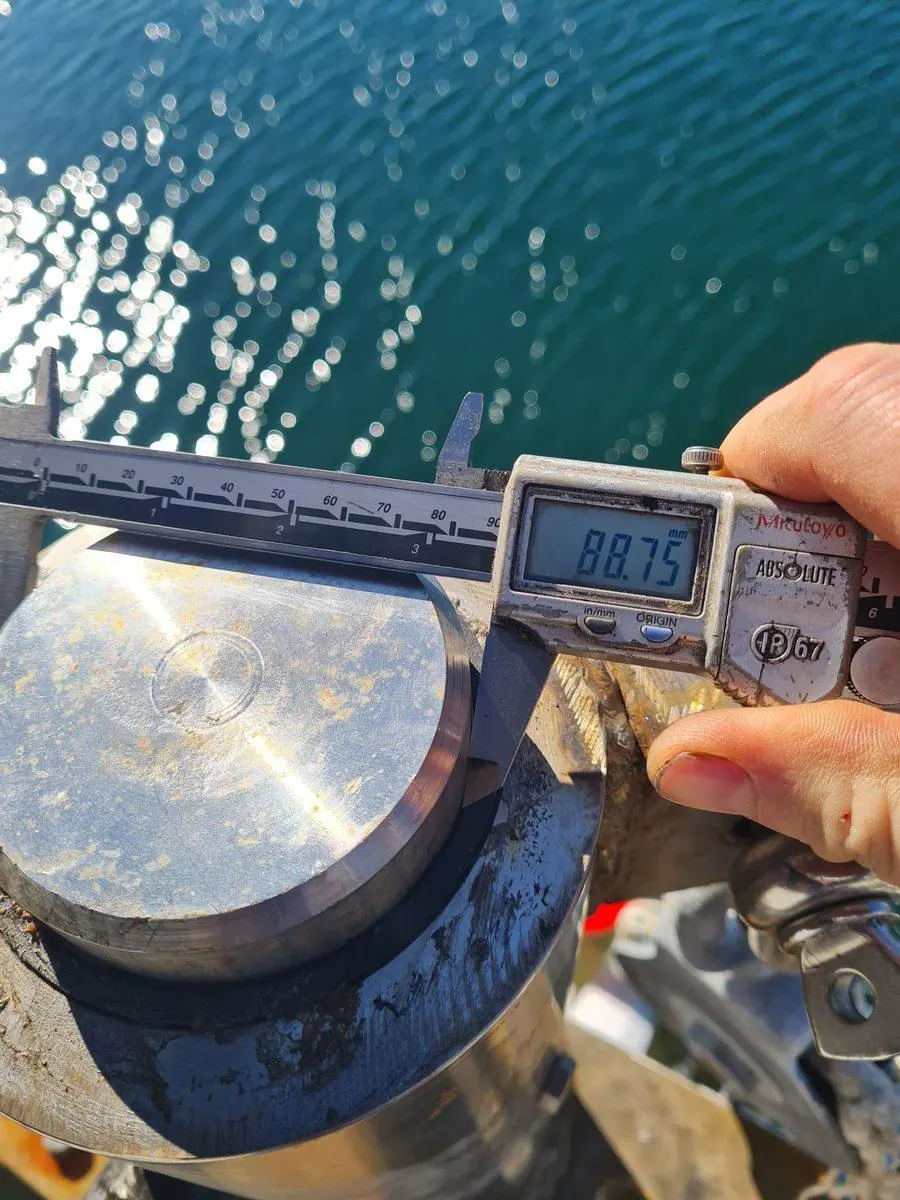
Reverse engineering from a physical part. Give us the part. We measure it and rebuild it as a proper CAD model. Old machinery components, obsolete parts, something a competitor makes that you need a better version of, or a part that exists only as a lump of metal on your bench.
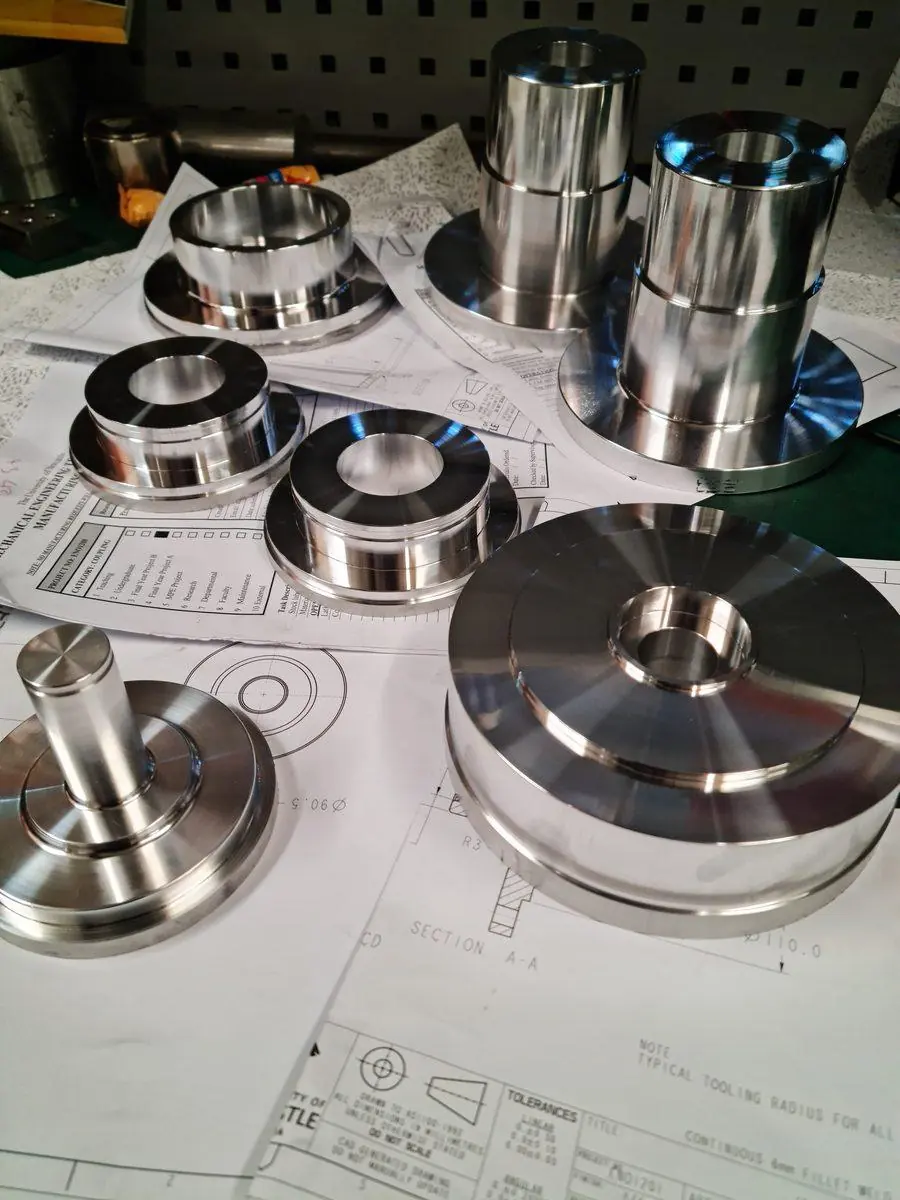
Production drawings. Dimensioned, tolerated 2D drawings that a machine shop — us or anyone else — can actually work from. Title blocks, revisions, material and finish callouts, GD&T where it earns its place.
DXFs for laser and waterjet cutting. Clean, cutter-ready files. Correct scale, closed profiles, no duplicate geometry, layers sorted, etch lines separated. Send it straight to your cutter and it cuts right the first time.
Sheet metal design. Modelled folded, unfolded to a flat pattern, with bend allowance, bend radii, reliefs and bend sequence checked so the part folds up square. See sheet metal fabrication.
Design for manufacture. Taking a design that works on a screen and making it cheap to actually produce.
CAM programming. Toolpaths for our own machines, proved in simulation before they run.
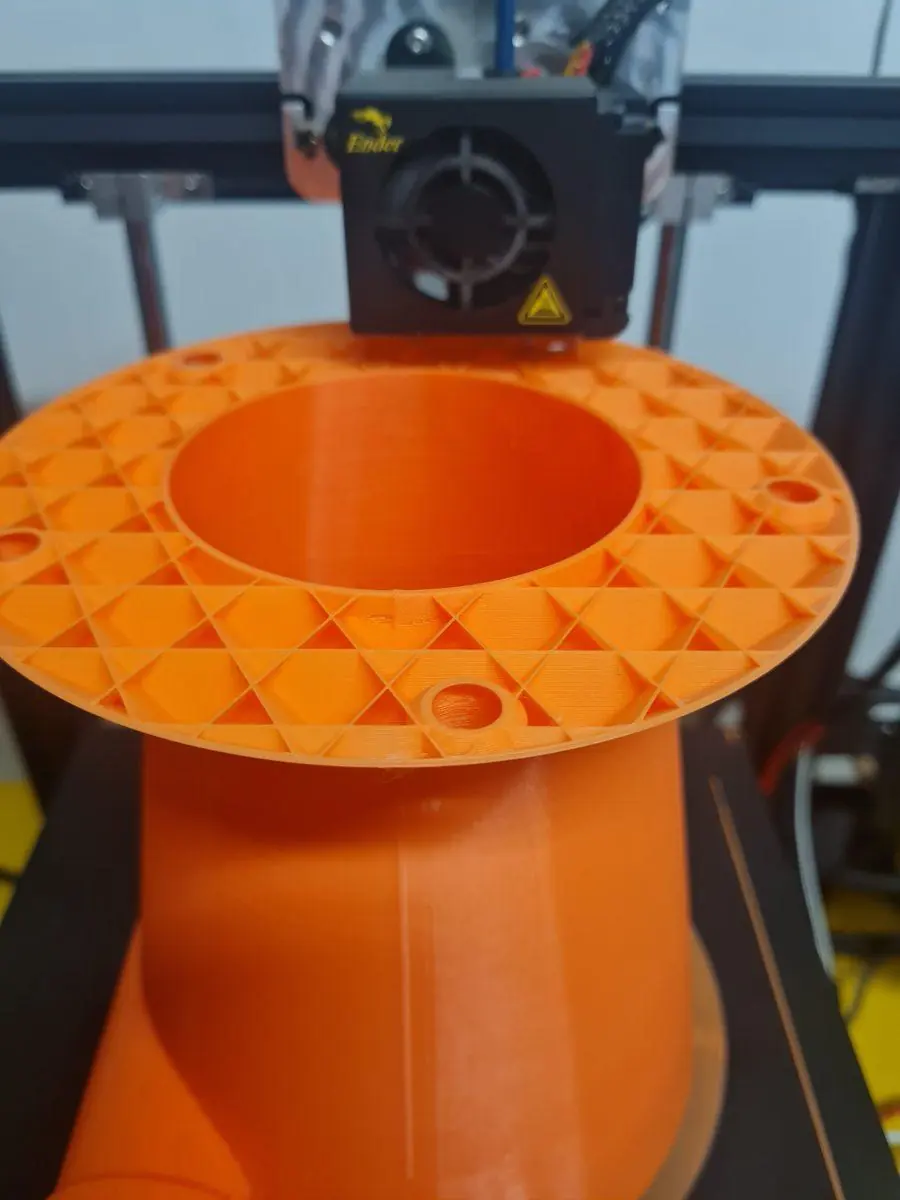
3D printed prototypes. Ender 5 Pro. Print it, hold it, check it fits, change it, print it again. Cheap iteration before anything gets cut in metal.
Design for manufacture — where the money is
The most expensive decisions on a part are made before a single chip is cut.
A pocket with a corner radius smaller than any sensible cutter means a tiny tool, a slow feed and three times the machine time. A tolerance of ±0.01mm on a clearance hole doubles the price for nothing. A part that needs six setups could often be redesigned to need two. A wall thickness the material cannot support means scrap.
Because we machine what we draw, we see this before you pay for it. Typical outcome: same function, same strength, noticeably less to make.
If you already have a design and it is coming back expensive from everywhere you send it, send it to us and let us look at why.
Reverse engineering, in practice
- You send or bring the part. Any condition, including broken.
- We measure it properly — verniers, micrometres, thread gauges, radius gauges.
- We model it in Fusion 360, cleaning up wear and damage and getting back to what the part was meant to be.
- We ask what it does — because a bush that runs on a shaft and a bush that is a spacer are different parts even if they look identical.
- You get the model, the drawings, and the part machined if you want it made.
The model stays on file. Next time you need one, it is quick.
What to send
A sketch, a photo, the part, an old drawing, a competitor’s product, or just a description of the problem you are trying to solve. Nothing needs to be tidy.
Design work is quoted as a fixed fee up front, so you know the cost before we start. No open-ended hourly bill.
Got an idea, a sample or a design that keeps coming back too expensive? Ring 0478 790 631 or email [email protected]. Get a quote →