Propeller shaft and marine machining
This is the work our shop is built for. CNC turning, CNC milling and precision machining — the same skills that make production parts, applied to the running gear on a boat.
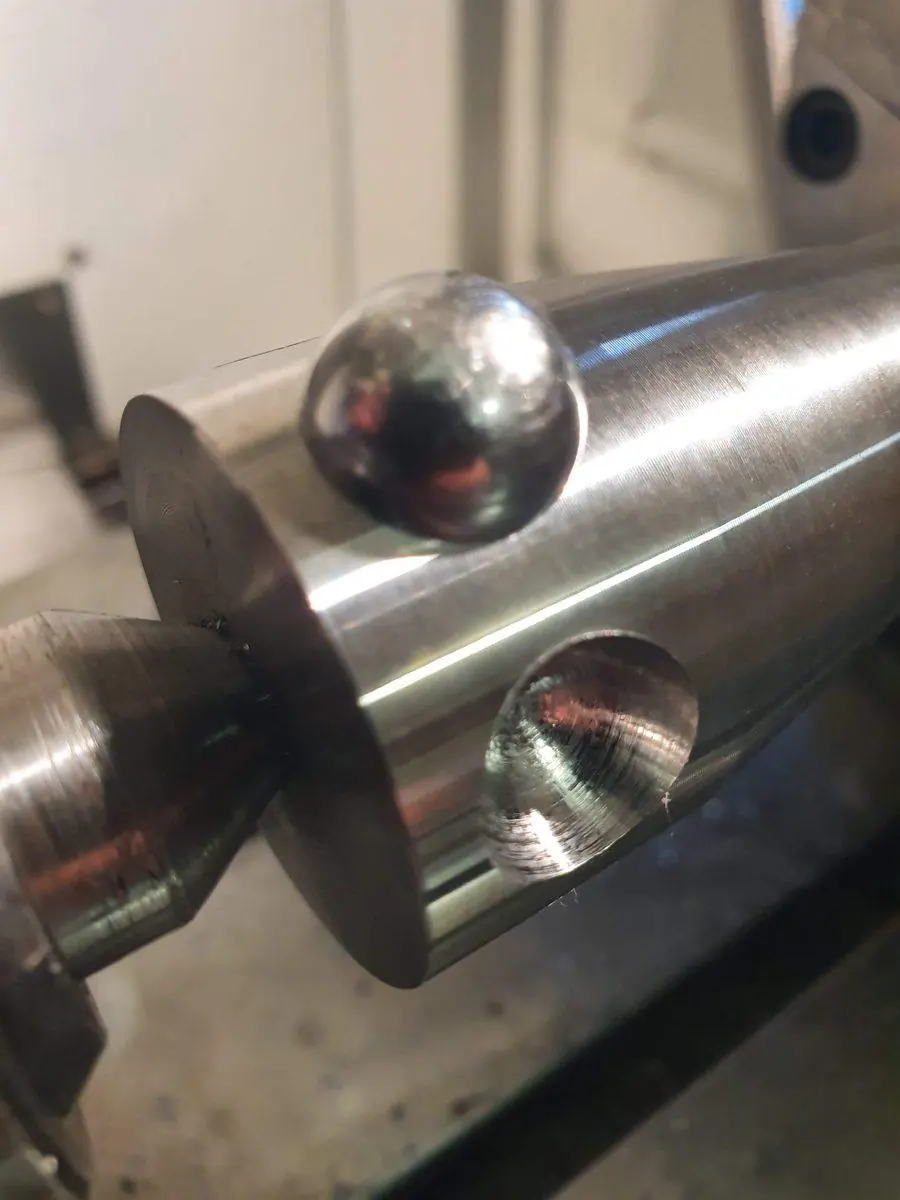
Propeller shafts
- Shaft straightening — a shaft that’s picked up a rope, a pot line or a sandbar. We check the run-out and tell you whether it’s straightenable or whether it’s done.
- Shaft replacement — new shaft machined to match the old one: diameter, length, taper, keyway, thread, and the coupling end.
- Re-sleeving — where the shaft is worn in the bearing area but sound everywhere else, a sleeve is a fraction of the cost of a new shaft.
- Tapers and keyways — cut to suit the prop and the coupling. A prop taper has to be right or the prop works loose and chews the taper out, and then you’re buying both.
- Coupling faces machined true — a coupling that isn’t square to the shaft will vibrate no matter how well the engine’s aligned.
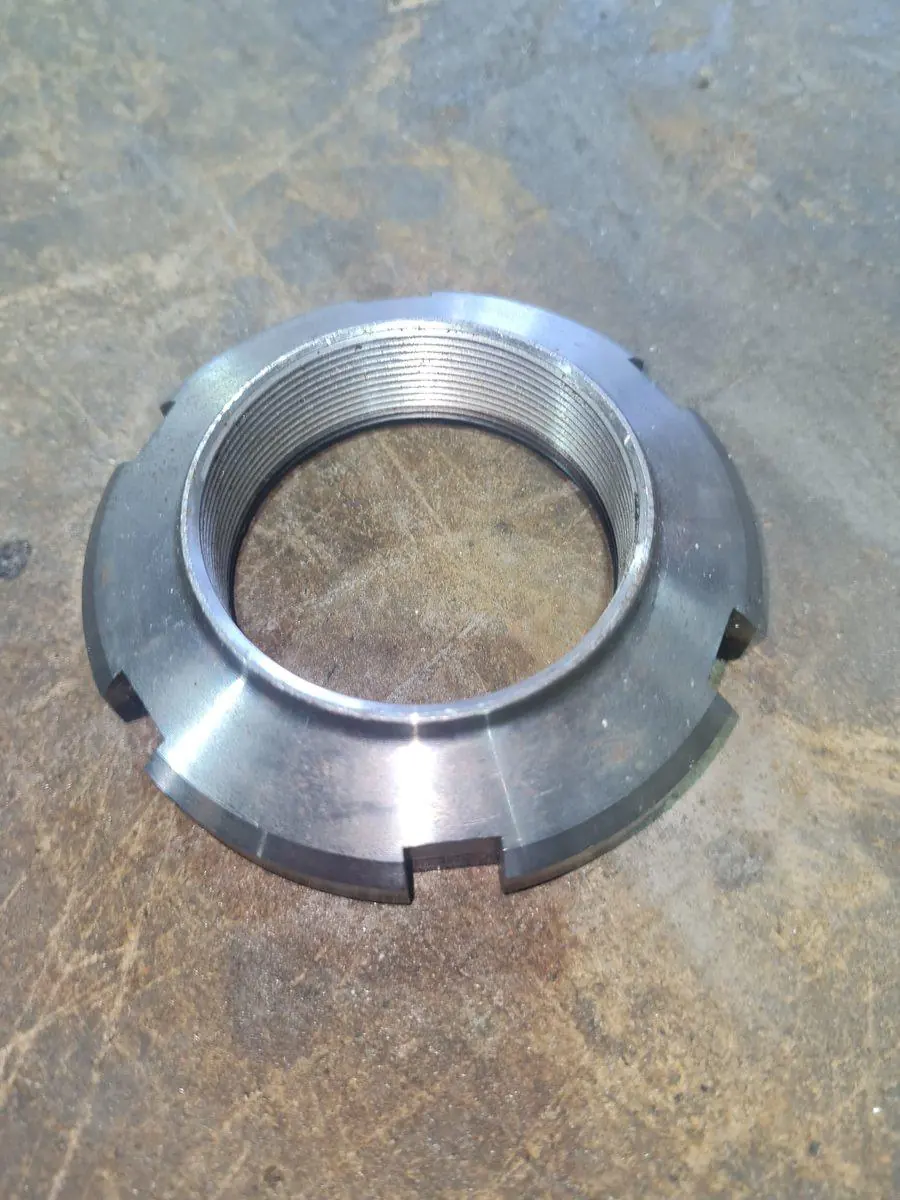
Cutlass bearings and housings
Worn cutlass bearing housings get bored and sleeved back to size. We machine bearing housings, strut bores and stern tube components to a proper fit — an interference fit that holds, not a housing that’s been opened up so far the bearing spins in it.
Tell us the shaft diameter and the bearing part number if you have it. If you don’t, send us the old bearing and the shaft.
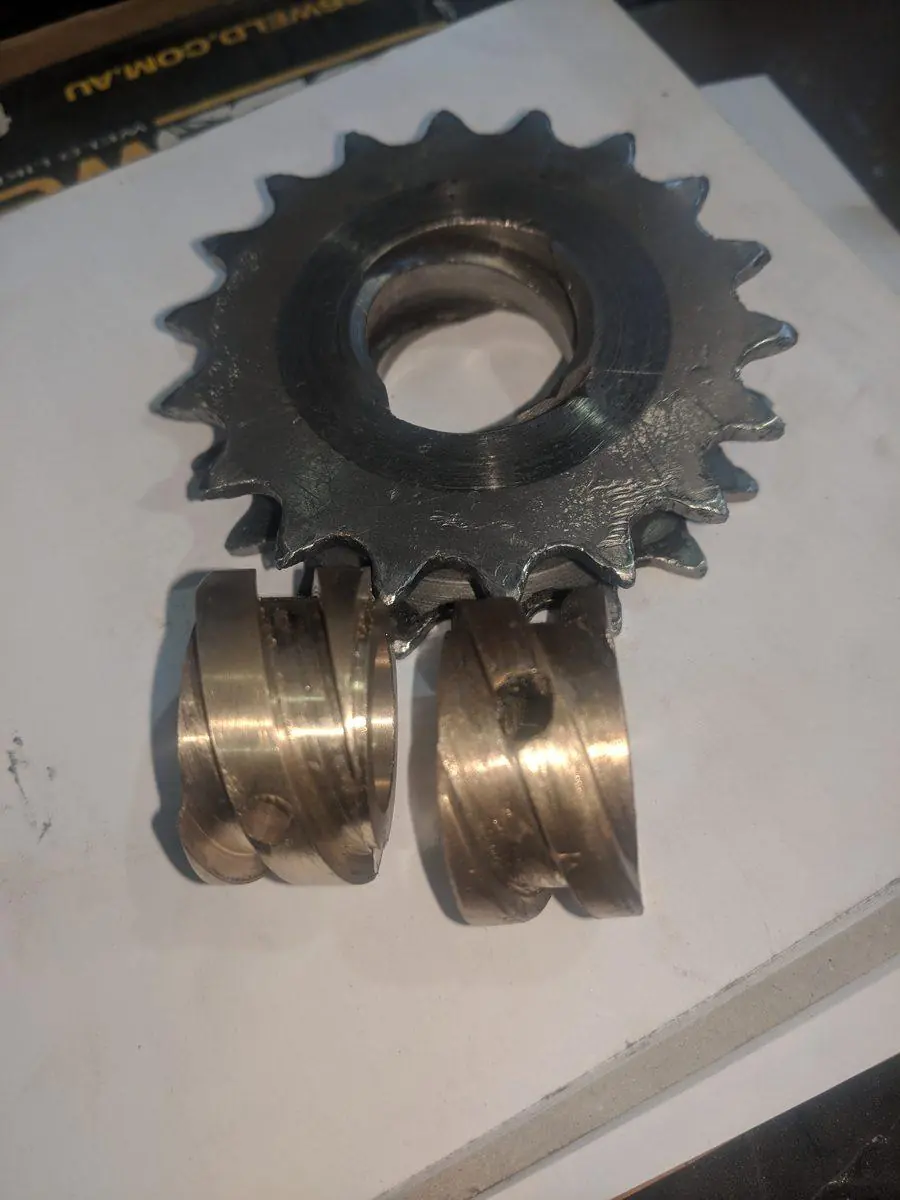
Custom bushes and bearings
Bronze, nylon and composite bushes turned to size — rudder bushes, tiller bushes, steering, deck gear, winches, hatches. If the original is obsolete, this is usually cheaper and quicker than chasing a part number that no longer exists.
Reverse engineering — no drawings needed
Most marine parts arrive here as a broken lump in a plastic bag with no drawings and no part number. That’s fine. We measure the sample, model it in Fusion 360 and machine a new one. If the original failed because it was under-designed, we’ll say so and offer to make it stronger rather than making the same part twice.
Materials for shaft work
- 316 marine-grade stainless where it’s exposed to salt water
- 4140 heat-treated where the part has to take load — shafts, pins, couplings
- Tool steels for anything that has to resist wear
- Bronze and engineering plastics for bushes
For new shafts we normally supply 316 stainless, or a high-strength marine shaft grade (Aquamet-type or duplex) where the engine and the length call for it. We will tell you which your boat needs and why.
Capacity
Shafts up to 50mm diameter and 3 metres long go through the lathe spindle and run on a steady rest — a 3 metre shaft is not a problem. Larger diameters go on the manual lathe, up to 400mm swing and 1.5 metres between centres. We also straighten bent shafts, and we straighten new stock before we turn it, so the shaft you get back runs true.
Lead time
The machines run lights-out overnight. A shaft or a bush that goes on the machine in the afternoon is often being finished while the shop’s locked up. That’s the advantage of a small shop with automation — you’re not queued behind a production run and a shift roster.
If your boat is out of the water and the clock is running, tell us that when you ring. We’ll be honest about whether we can help you this week.
Bring us the shaft. Or send a photo of it with a tape alongside for length and diameter. If the boat’s out of the water and you’re on the clock, say so when you ring — we’ll tell you straight whether we can get to it. Ring 0478 790 631 · Mon–Fri · 12 George Road, Salamander Bay.