Pontoon, jetty and marina fabrication
Fixed structures over salt water are a different problem to boats. Nothing gets washed down, nothing comes out of the water at the end of the day, and everything is walked on by the public.
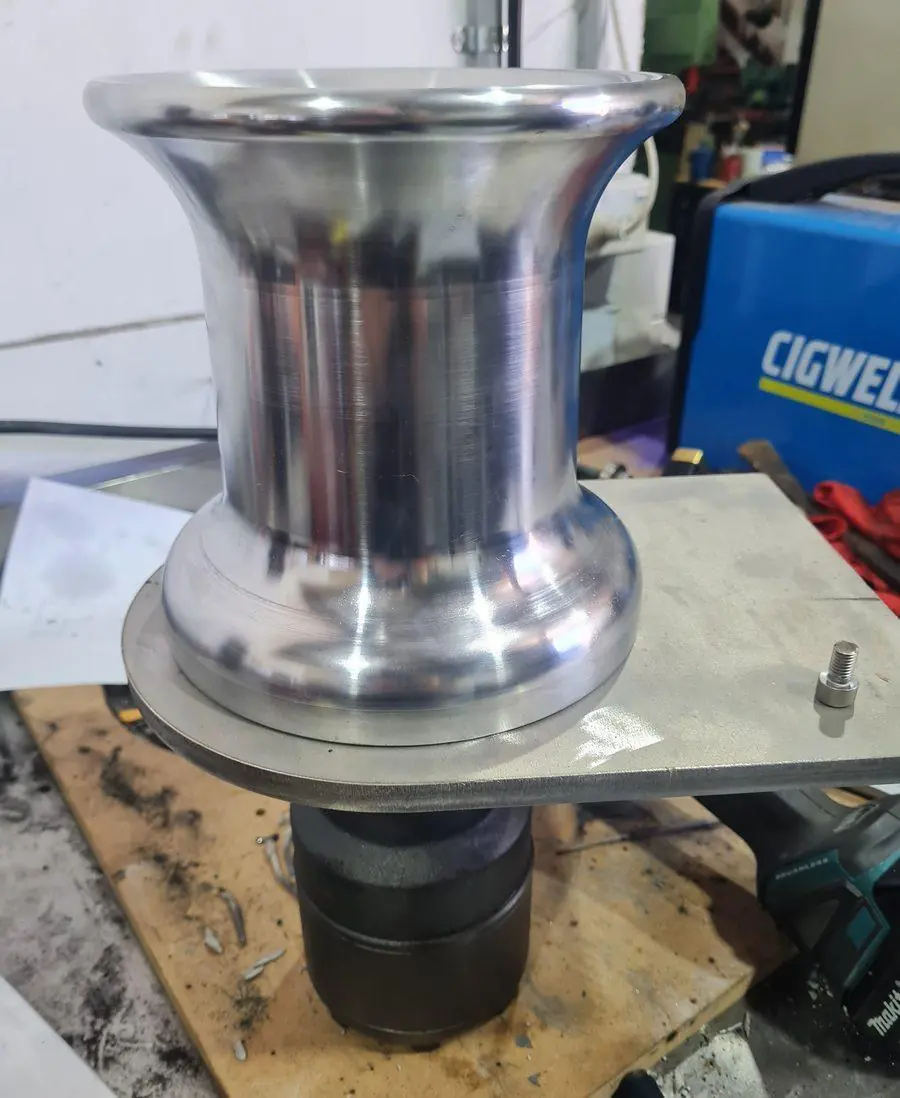
We make and repair the metal parts of pontoons, jetties, gangways and marina berths from the Salamander Bay workshop — machining and fabrication here, welding through the welders we work with.
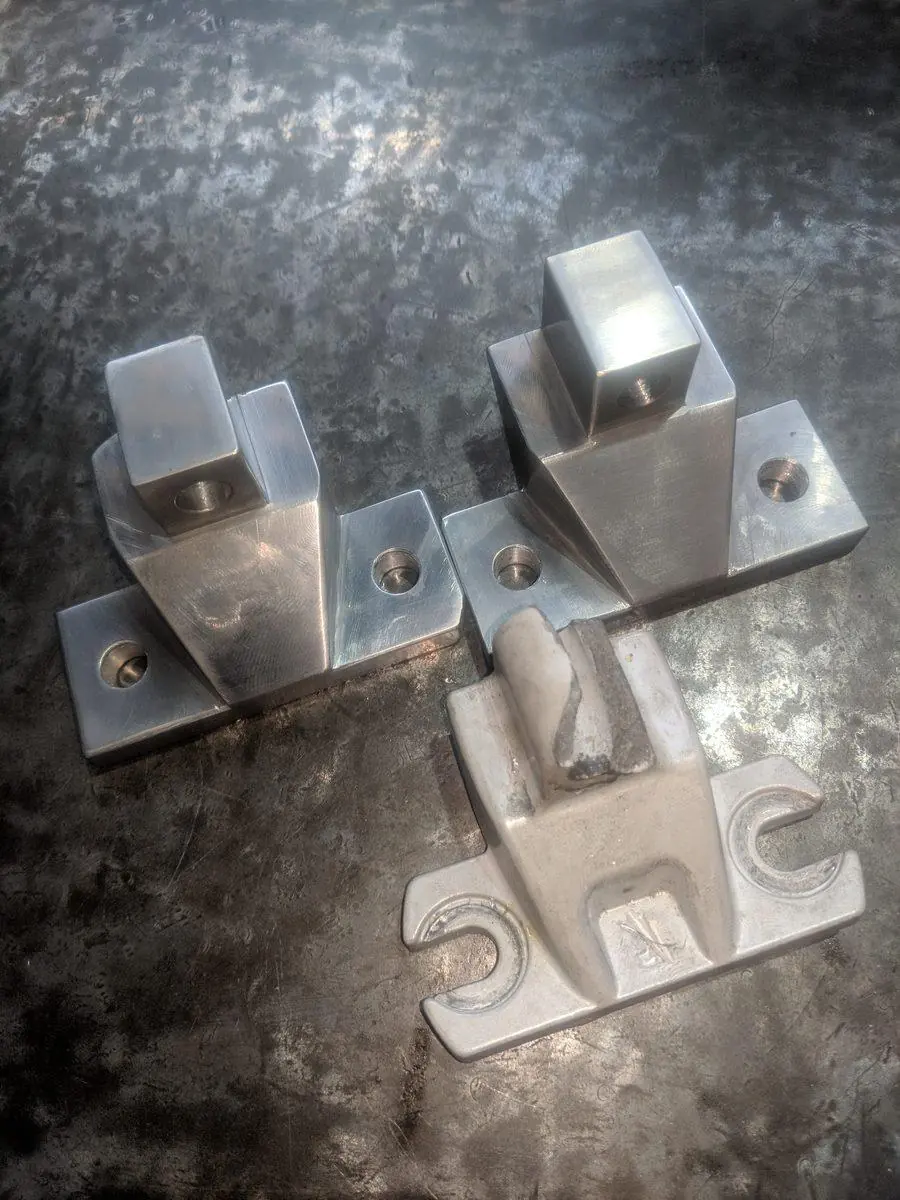
What we make
- Brackets and structural connections — pile brackets, frame connections, mounting plates, gangway hinge brackets
- Ladders — pontoon ladders, jetty access ladders, replacement rungs
- Cleats and tie-off points — including heavy cleats and the backing plates behind them, which is usually the part that fails
- Hand rails and guard rails — for jetties, gangways and access ramps
- Gangway parts — rollers, hinges, wheels, treads, end frames — or the complete gangway, designed and built as one job
- Custom parts to replace something obsolete — bring us the broken one, we’ll copy it
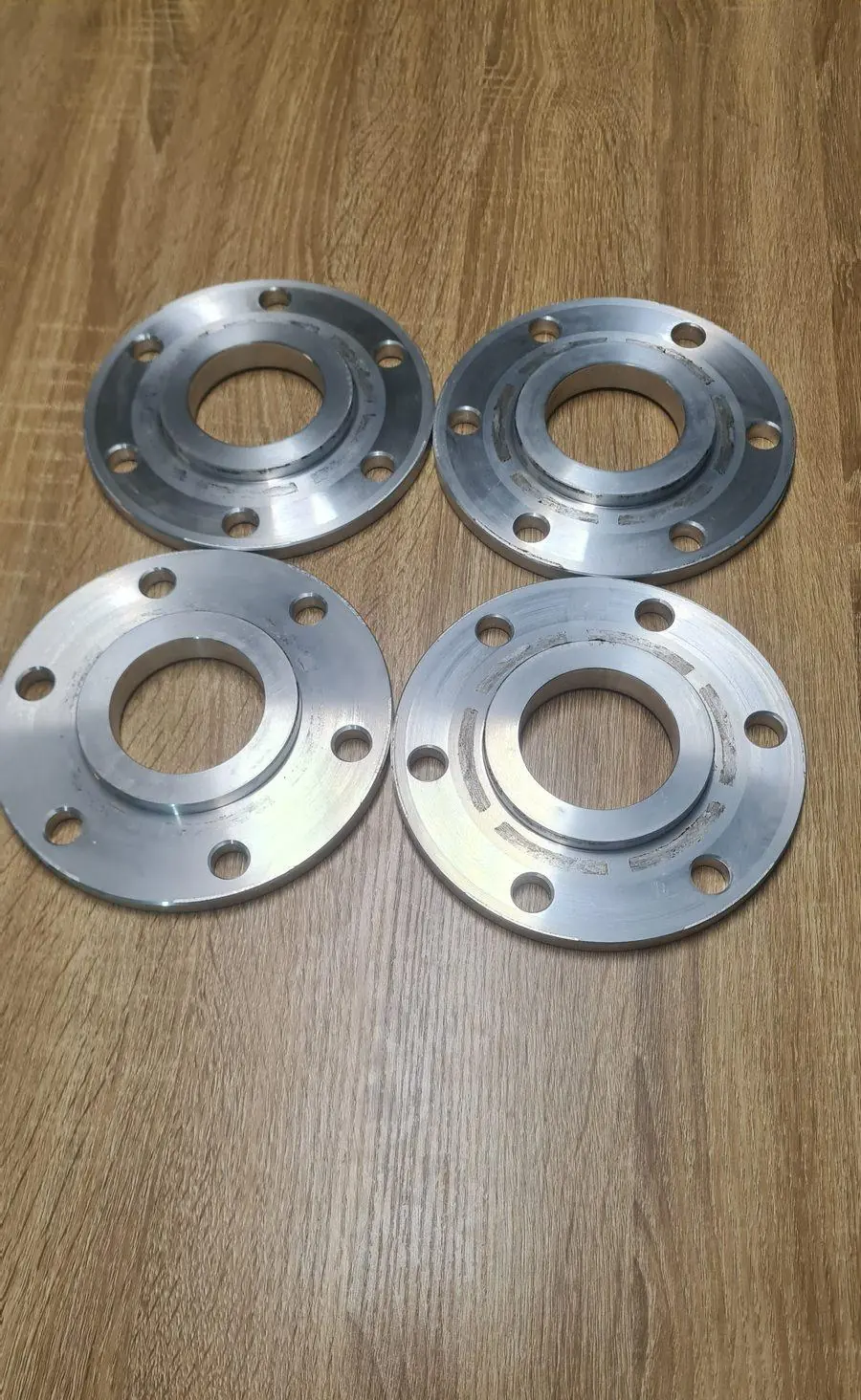
Galvanised or stainless
Both work over water, and which one you want depends on the job.
Hot dip galvanising is the usual choice for structural steel over water. Steel fabricated, then dipped, then installed. It’s cost-effective for anything big and it holds up for years. The catch is that once it’s dipped you can’t cut, drill or weld it without breaking the coating — so everything has to be right before it goes in the bath. That’s where the machining side helps: holes and fits get done properly first, so nothing needs “adjusting” on site.
Galvanising is done off-site by a hot dip galvaniser and adds turnaround time to the job.
We send galvanising to a hot-dip galvaniser in Newcastle. Allow roughly a week on top of the fabrication time — we will put the real date in the quote.
316 stainless is the choice for anything handled, seen, or bolted to a boat — rails, cleats, ladder rungs, fasteners. It costs more up front and doesn’t need re-coating.
A common mix is a galvanised steel frame with stainless fittings. If you do that, the two need to be isolated where they meet, or the dissimilar metals will corrode each other at the joint. We’ll design it in.
Who this is for
Marinas, boat sheds, oyster leases, waterfront property owners and the trades who look after them. If you’re a marina or a builder with a repeat requirement — the same bracket, twenty times — that’s straightforward for us and the price comes down with quantity, because that’s exactly what CNC is for.
Site work and installation
We’re a machine shop. We make the parts and we can have them welded up.
We supply, and we will come and measure. Installation on the water is done by the marine contractors we work with, or yours — we will coordinate it so the parts, the welder and the installer land on the same day.
Drawings, or no drawings
If you’ve got drawings, send them — DXF, PDF or a sketch on the back of a docket all work. If you haven’t, send a photo with a tape measure in it and we’ll do the drawings in Fusion 360 and send them back to you to check before anything gets cut.
Send the drawing, or send a photo. Either works. For repeat parts, tell us the quantity up front — it changes the price. Ring 0478 790 631 · Mon–Fri · 12 George Road, Salamander Bay.