Stainless Steel Fabrication and Machining
We are twenty minutes from open water. Stainless is not a specialty item around here — it is Tuesday.
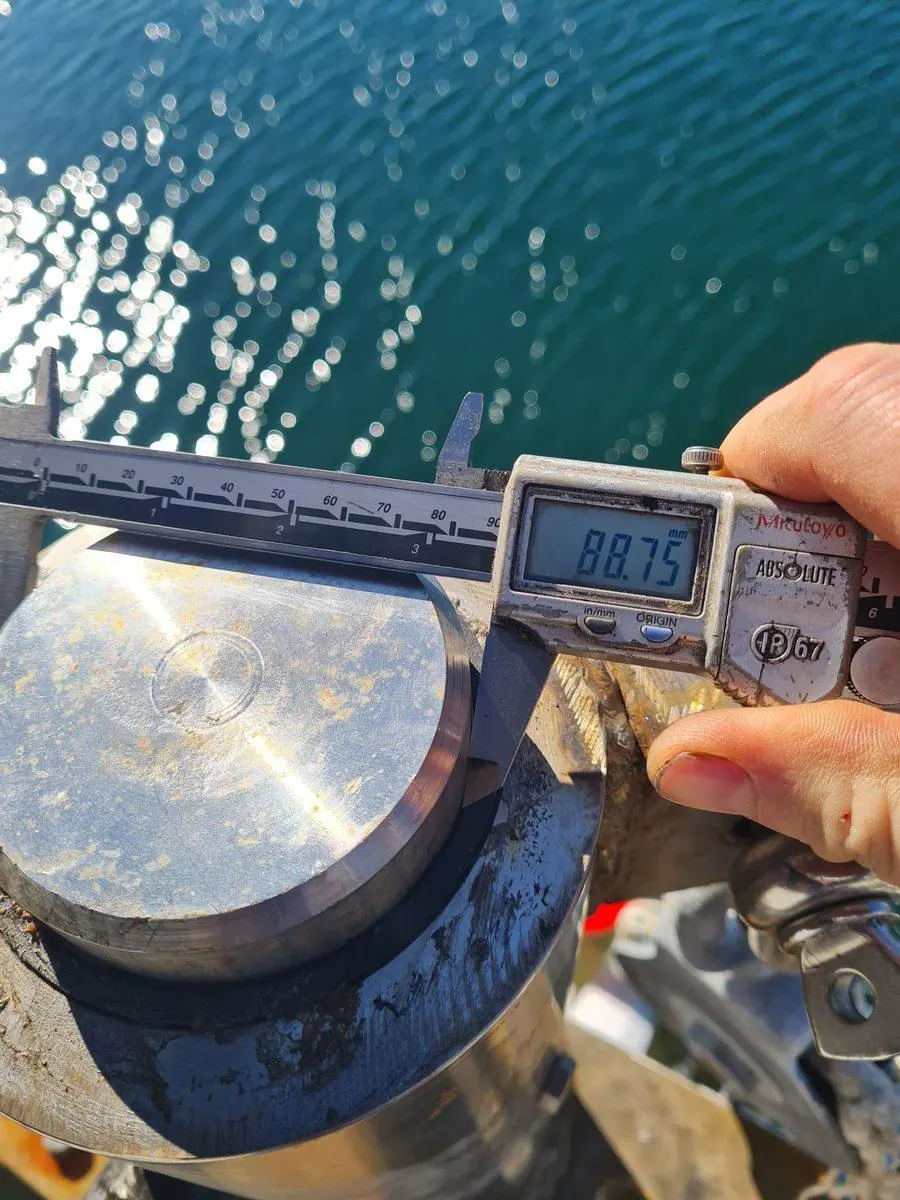
Port Stephens is salt air, salt spray and boats out of the water for a week getting something fixed. Mild steel does not survive it. Stainless done badly does not survive it either.
We machine and fabricate in 316 stainless — the marine grade — for boat fittings, coastal hardware, food and beverage equipment, and anything that gets hosed down.
Why 316, and when 304 will do
316 contains molybdenum, which is what gives it the extra resistance to chlorides — salt water, salt air, pool chemicals, food processing washdown. If the part goes anywhere near the coast, it should be 316.
304 is cheaper and fine indoors, in dry environments and away from salt. We will use it where it is genuinely appropriate and tell you when it is not.
If someone has quoted you “stainless” without saying which grade, ask. It matters, and around here it matters a lot.
We machine all the common grades — 303 for free-machining parts, 304, 316 and 316L, 431 for shafts, and duplex where strength and corrosion resistance both matter.
What we make in stainless
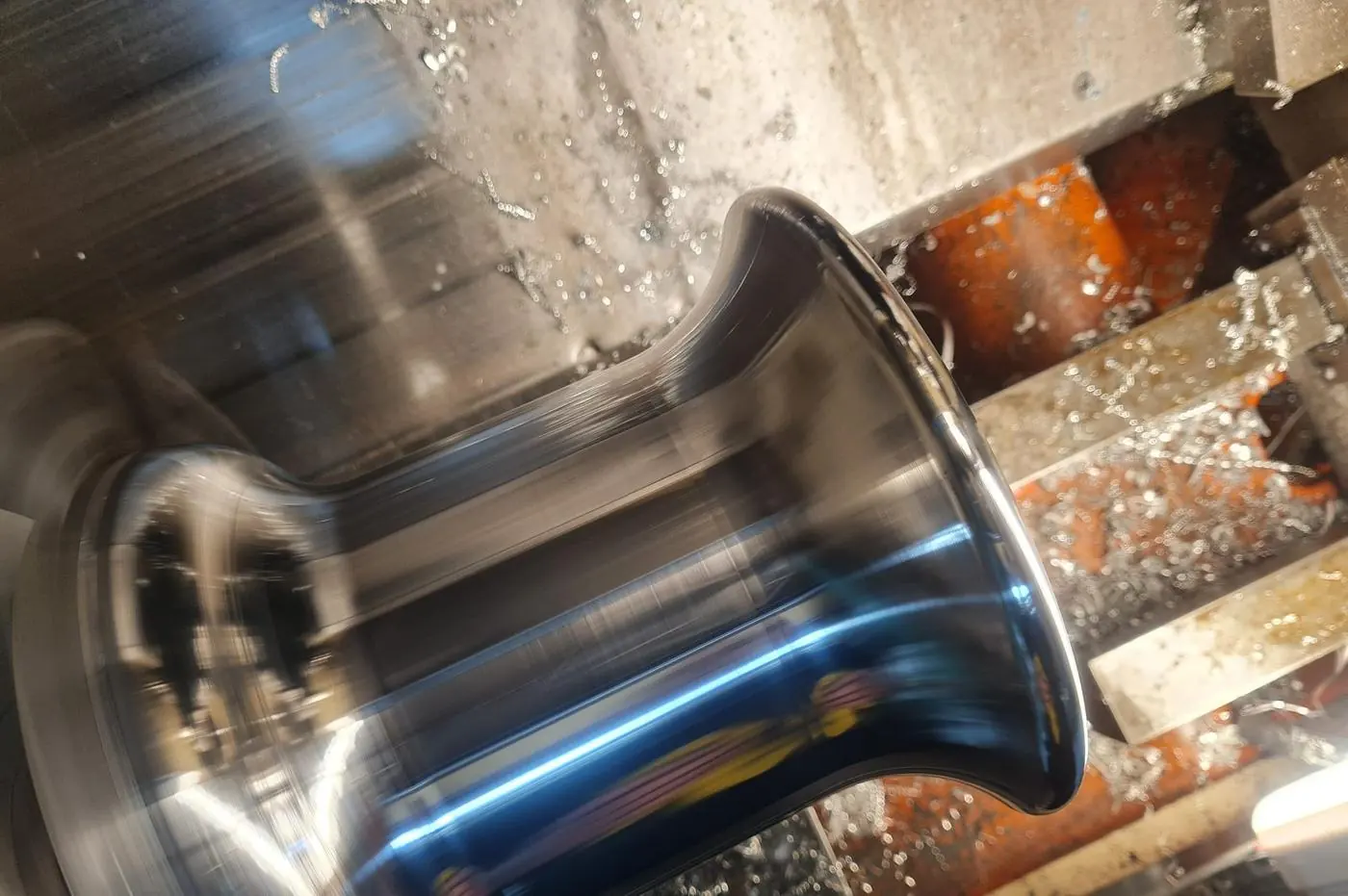
- Marine fittings and hardware — brackets, mounts, plates, bushes, pins, custom fittings for boats
- Shafts, bushes and spacers in 316 for wet environments
- Food and beverage components — parts for processing gear, brewery fittings, hygienic mounts
- Handrails, posts and brackets for coastal properties — balustrades, handrails and gates welcome
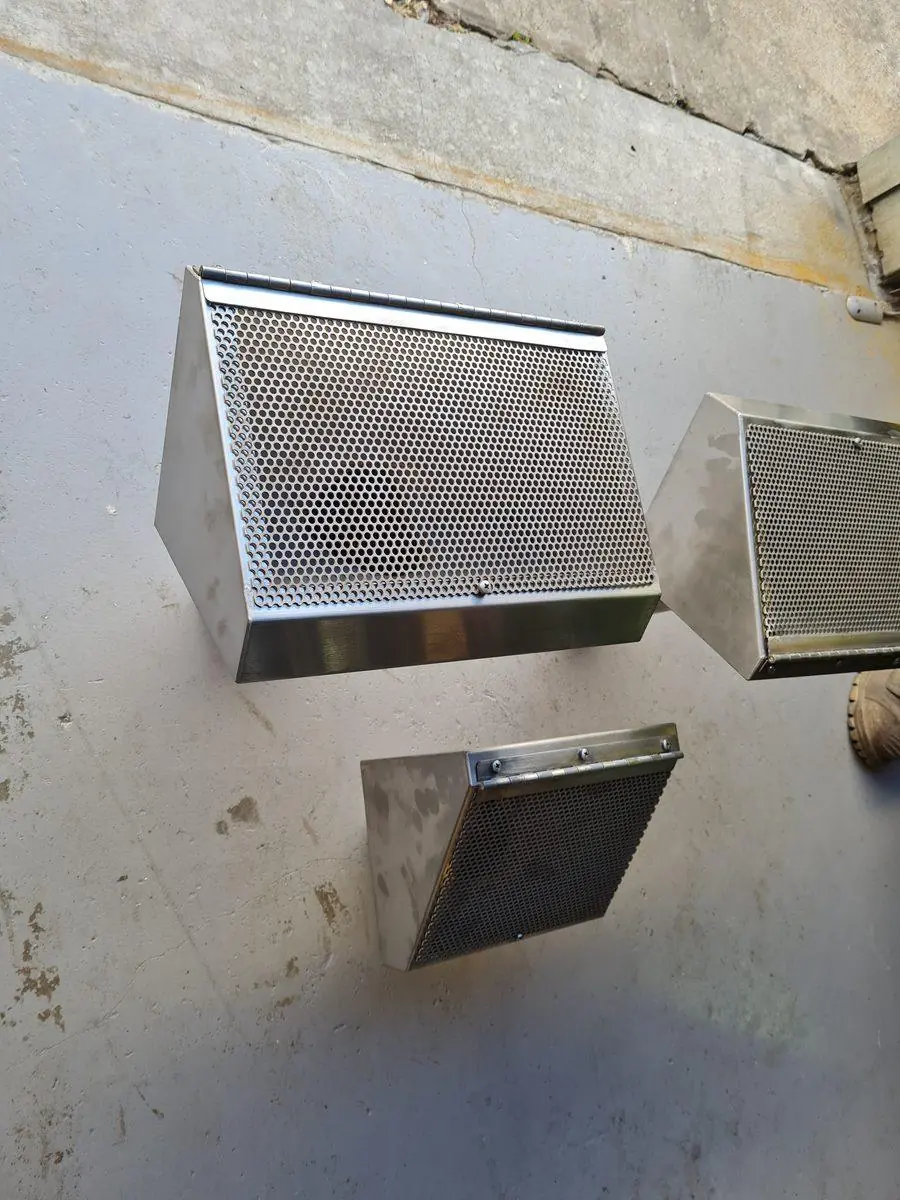
- Enclosures, guards and covers in stainless sheet, designed, cut and folded
- Replacement parts for anything that rusted out in mild steel and should have been stainless from day one
Machining stainless properly
316 is not hard to machine so much as it is unforgiving. It work-hardens: back off the feed, dwell in the cut, or let a tool rub, and the surface goes glass-hard and the next pass is fighting a material harder than the one you started with. It grabs at drills, it is gummy on threads, and it needs sharp tooling, the right speeds and a positive, committed cut.
That is a settings-and-experience problem, and the reason a stainless part machined by someone who does it regularly looks and measures different to one that does not.
Contamination — the thing that ruins stainless jobs
Stainless that has touched carbon steel will rust. Grind mild steel near it, cut it with a disc that has been used on black steel, clamp it in a fixture with steel swarf on it, and you embed free iron in the surface. Three months later there are rust spots and everyone blames the material.
We keep stainless work separate — tooling, handling and consumables. It is basic discipline, and it is why our stainless parts do not bloom.
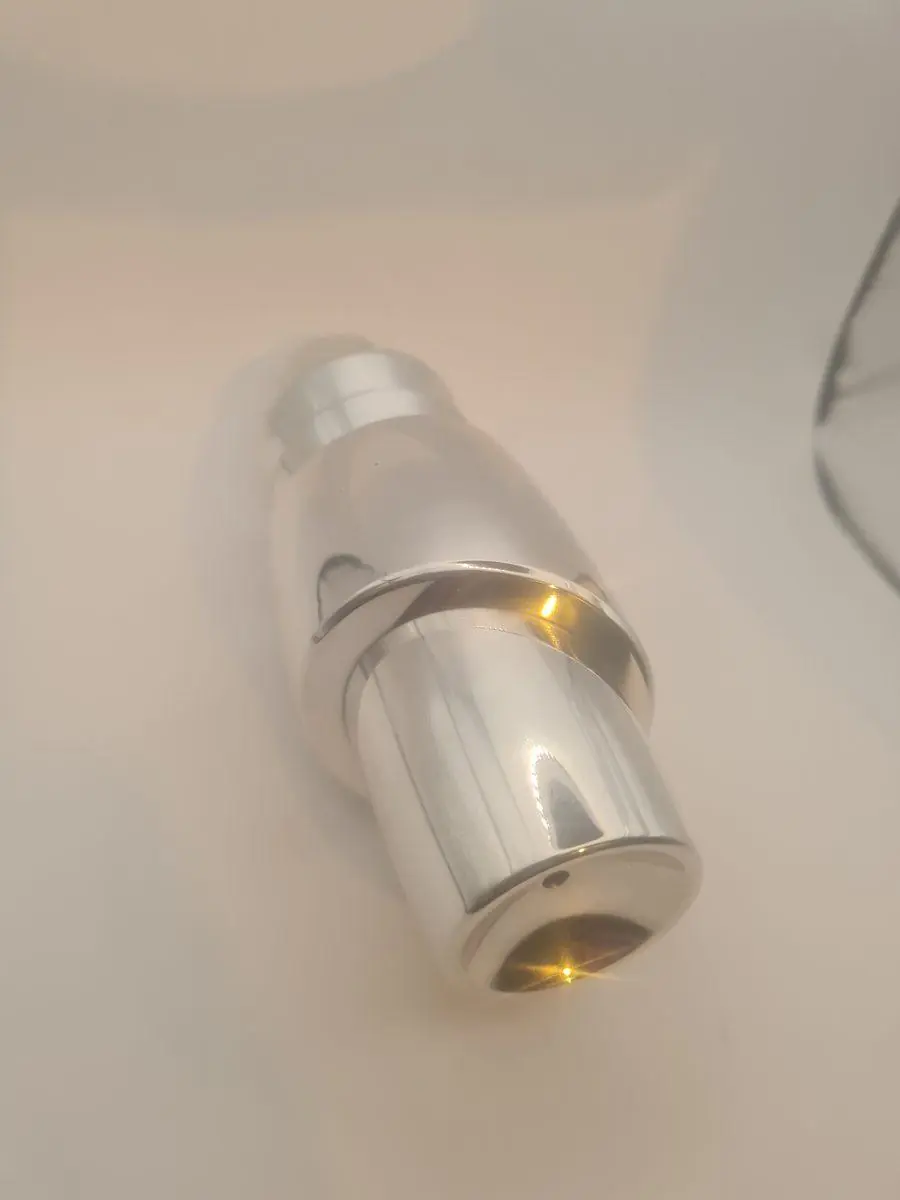
Passivation and electropolishing are arranged through a specialist and managed as part of the job — worth doing on anything for food, medical or serious marine service.
Fabrication and welding in stainless
Sheet stainless is designed here, then cut and folded through our partner facility. Welding goes to the welders we work with, who welds stainless properly — see welding.
Where a stainless part needs a precise bore, a thread or a machined face, we do that in-house, after welding where distortion matters.
Boat owners — read this bit
You do not need a drawing. Take a photo of the fitting with a tape measure next to it, or pull the old corroded one off and bring it in. We will make you a new one in 316 that outlives the boat.
Bring the corroded part in, or send a photo with a tape measure alongside it. Ring 0478 790 631 and we will make it in 316. Get a quote →